
Изгледа дека сте во САД
Имаме различна локација (www.q-bital.com) која подобро одговара на вашата локација
Неодамнешните податоци го илустрираат обемот на предизвикот. Само во март 2026 година, во Англија имало повеќе од 2,4 милиони посети на одделенијата за итни случаи, заедно со над 550.000 итни приеми. Во исто време, повеќе од 120.000 пациенти доживеале доцнења од над четири часа од моментот кога била донесена одлуката за нивно примање, вклучувајќи десетици илјади кои чекале повеќе од 12 часа.
Во Шкотска, сликата е слично притисната. Во февруари 2026 година имаше над 122.000 посети на одделенија за итна медицинска помош, при што само 66,41 пациенти беа прегледани, лекувани или отпуштени во рок од четири часа.
Ова не се изолирани бројки. Тие се индикатори за предизвик на ниво на целиот систем кој се протега многу подалеку од самото одделение за итни случаи.
Перформансите на итната и итна медицинска помош често се сметаат за проблем на итната помош. Всушност, тоа е проблем со протокот на пациенти низ целиот процес.
Притисокот започнува пред да пристигнат пациентите, при што времето на одговор на амбулантната помош и доцнењата при предавањето ја одразуваат достапноста на капацитетот во болниците. Тој продолжува преку тријажа, проценка и третман, и честопати најостро се чувствува на местото на прием, каде што достапноста на кревети станува критично ограничување.
Доцнењето на отпуштањето е значаен фактор што придонесува за тоа. Во Шкотска, речиси 2.000 болнички кревети беа окупирани секој ден во февруари 2026 година од пациенти кои беа медицински способни да заминат, но не можеа да го сторат тоа, со средно доцнење од 29 дена.
Кога протокот се забавува во кој било момент, влијанието се чувствува насекаде. Амбулантите се редат, одделенијата за итни случаи се преполнуваат, а пациентите чекаат подолго за нега.
Еден од највидливите и најзагрижувачки симптоми на овој притисок е порастот на таканаречената грижа за коридорите.
Неодамнешниот одговор на владата доведе до ангажирање на експерти од NHS за директно справување со ова прашање, препознавајќи ја и неговата распространетост и неговите ризици. Телото за истраги за безбедност на здравствените услуги беше јасно во своите наоди: средините за привремена нега, вклучувајќи ги коридорите и неклиничките простори, претставуваат значителни проблеми со безбедноста на пациентите. Тие вклучуваат предизвици во следењето на пациентите, ограничен пристап до опрема како што е кислород, зголемен ризик од инфекција и намалена приватност и достоинство.
Грижата за коридорите не е решение. Тоа е симптом на недоволен капацитет и ограничен проток.
Неговото решавање бара повеќе од оперативни прилагодувања. Потребно е создавање соодветни, клинички усогласени средини кои можат безбедно да ја апсорбираат побарувачката.
Националната политика се повеќе се усогласува со оваа реалност.
Планот за итна и неодложна медицинска помош на NHS за 2025/26 година поставува јасна амбиција за намалување на долгите чекања, подобрување на времето за предавање на амбулантните возила и елиминирање на негата во коридорите. Клучно е што е поддржан од значителни капитални инвестиции, вклучувајќи повеќе од 370 милиони фунти за проширување на капацитетот преку нови единици за итна медицинска помош во истиот ден, центри за итно лекување и друга инфраструктура.
Ова е значајна промена. Тоа одразува растечко сфаќање дека оперативните перформанси не можат да се подобрат без физички капацитет што ќе ги поддржи.
Распоредувањето на експерти од NHS за справување со грижата во ходниците дополнително ја зајакнува оваа насока. Фокусот не е само на подобрување на процесот, туку и на обезбедување дека пациентите се лекуваат во безбедни, соодветни средини.
Клучното прашање за лидерите во здравството не е дали е потребен дополнителен капацитет, туку каде тој ќе има најголемо влијание.
Искуството во NHS покажува дека насочените интервенции на клучните точки на притисок можат да го трансформираат протокот:
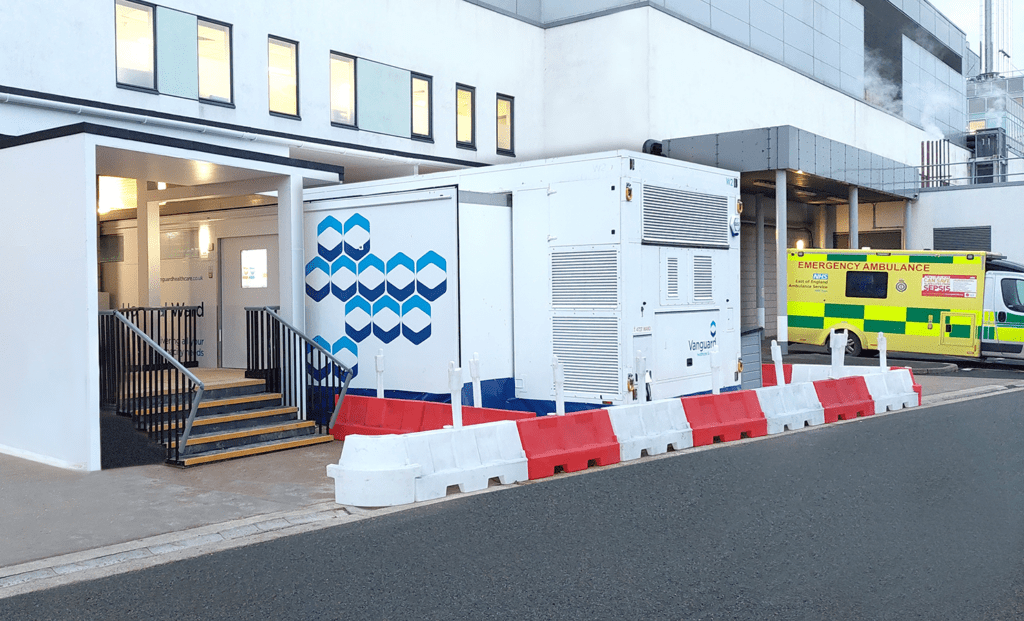
Просториите за предавање на амбулантни возила можат да ги намалат доцнењата на влезната врата, овозможувајќи побрза работа за екипите и подобрување на одзивот на системот.
Средините за стриминг и тријажа, како што се одделенијата за помали повреди и установите за итна медицинска помош истиот ден, можат да обезбедат пациентите да бидат насочени кон најсоодветниот пат од самиот почеток.
Дополнителниот простор во одделението и салоните за отпуштање можат да го намалат притисокот на задната врата, ослободувајќи кревети и поддржувајќи навремен прием од одделенијата за итни случаи.
Ова не се теоретски решенија. Во градската болница Питерборо, објект за предавање на амбулантни возила поддржа третман на повеќе од 15.000 пациенти, намалувајќи ги доцнењата и подобрувајќи го протокот. Во Кралската болница во Единбург, исто така лоцирана Одделение за лесни повреди сега лекува до 100 пациенти дневно, намалувајќи го притисокот врз Итната помош и подобрувајќи ја приоритизацијата на пациентите.
Она што овие примери го покажуваат е дека капацитетот, кога е распореден на вистинското место, има непропорционално влијание врз перформансите.
Времето е клучен фактор. Традиционалните капитални проекти може да потраат со години за да се реализираат, додека оперативните притисоци се непосредни.
Тука флексибилната инфраструктура игра витална улога.
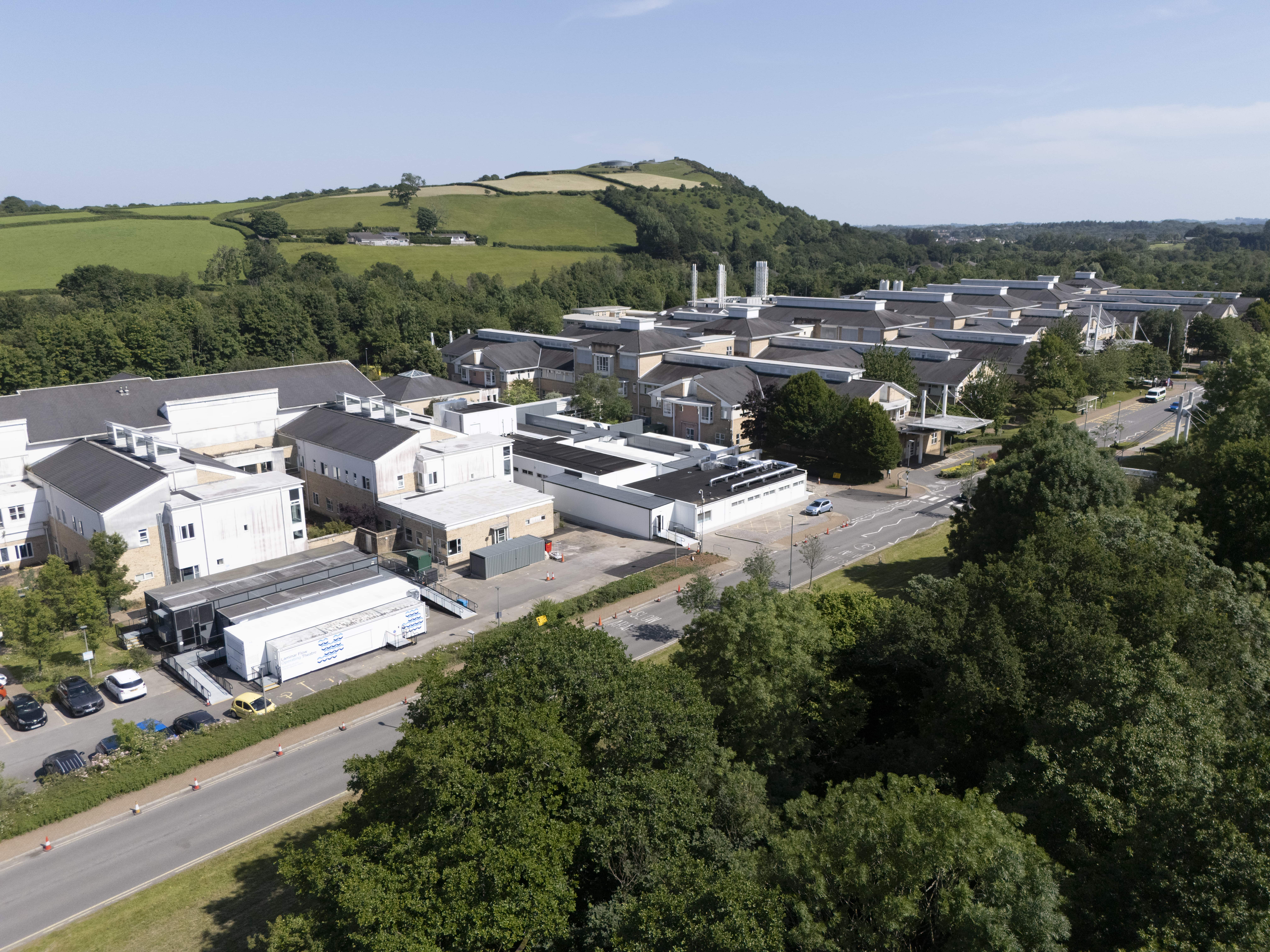
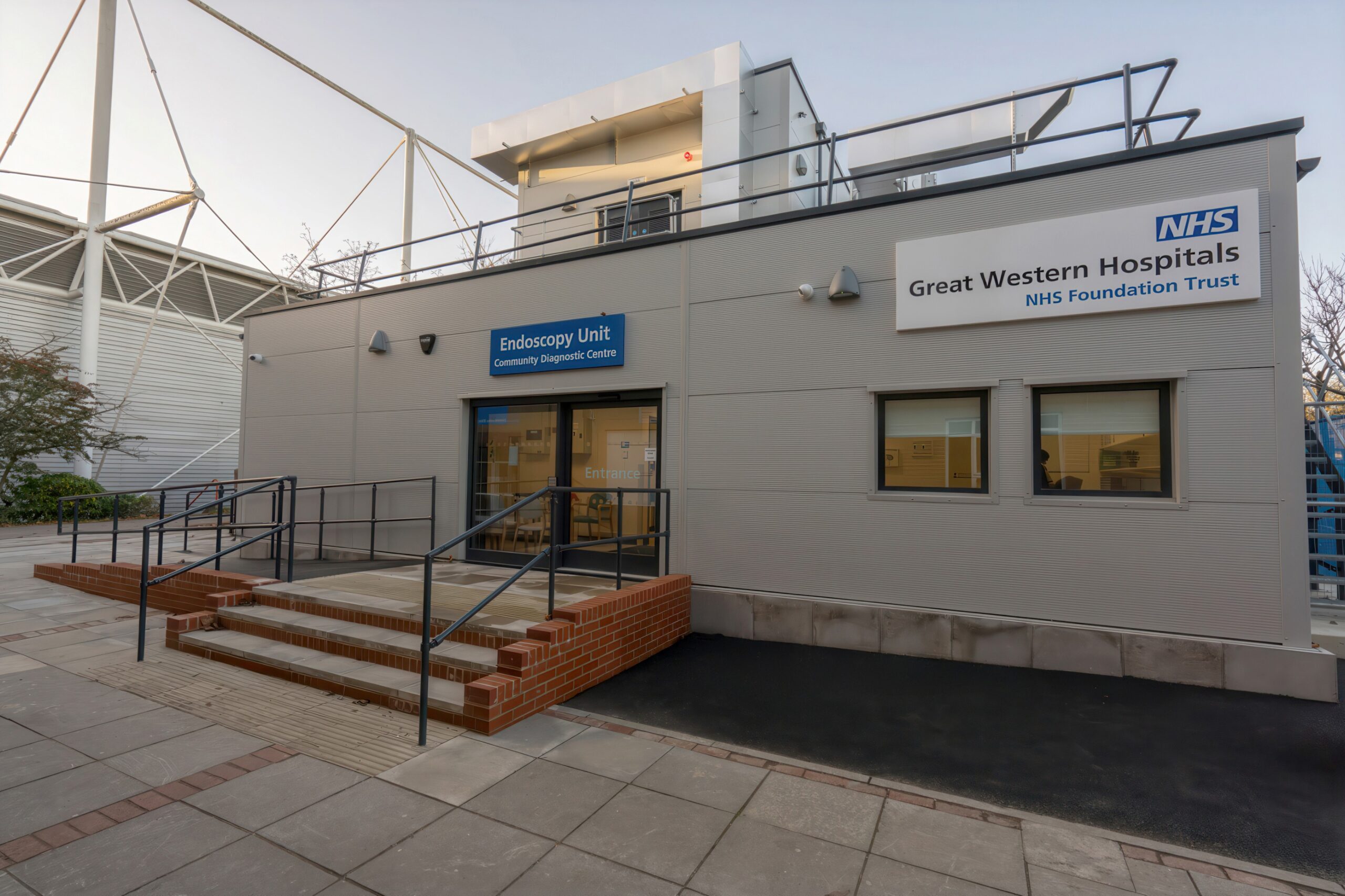
Мобилните и модуларните здравствени установи можат брзо да се распоредат, често во рок од неколку недели, обезбедувајќи целосно усогласени клинички средини што се интегрираат со постојните болнички комплекси. Тие им овозможуваат на здравствените одбори и фондациите да реагираат на сезонските бранови, да поддржуваат долгорочни програми за трансформација и да одржуваат безбедни патеки за пациентите во периоди на најголема побарувачка.
Важно е да се напомене дека тие се усогласуваат и со тековните модели на финансирање, нудејќи флексибилност и во приходите и во капиталните буџети.
Предизвиците со кои се соочува итната и итна медицинска помош се значајни, но не се непремостливи.
Сега постои јасна усогласеност помеѓу политиките, финансирањето и оперативните приоритети. Фокусот се префрла кон создавање на капацитет потребен за поддршка на безбедна и навремена грижа низ целиот пат на пациентот.
За лидерите во здравството, можноста лежи во преведувањето на оваа насока во практична акција. Тоа значи идентификување каде ограничувањата на капацитетите се најакутни и имплементирање решенија што можат да направат моментална и одржлива разлика.
Доколку ги разгледувате вашите капацитети за итна и итна медицинска помош или планирате како да се справите со моменталните притисоци, ве покануваме да истражите како флексибилната инфраструктура може да ја поддржи вашата организација.
Можете да ја преземете нашата брошура за итна и итна медицинска помош тука:
Vanguard здравствени решенија
Unit 1144 Regent Court, The Square, Gloucester Business Park, Gloucester, GL3 4AD

Имаме различна локација (www.q-bital.com) која подобро одговара на вашата локација