
It looks like you are in the United States
We have a different site (www.q-bital.com) which better suits your location
That shift brings clear opportunities. Robotics has the potential to improve precision, reduce recovery times and increase throughput across a range of procedures.
But there is a more fundamental question that is still not being asked often enough.
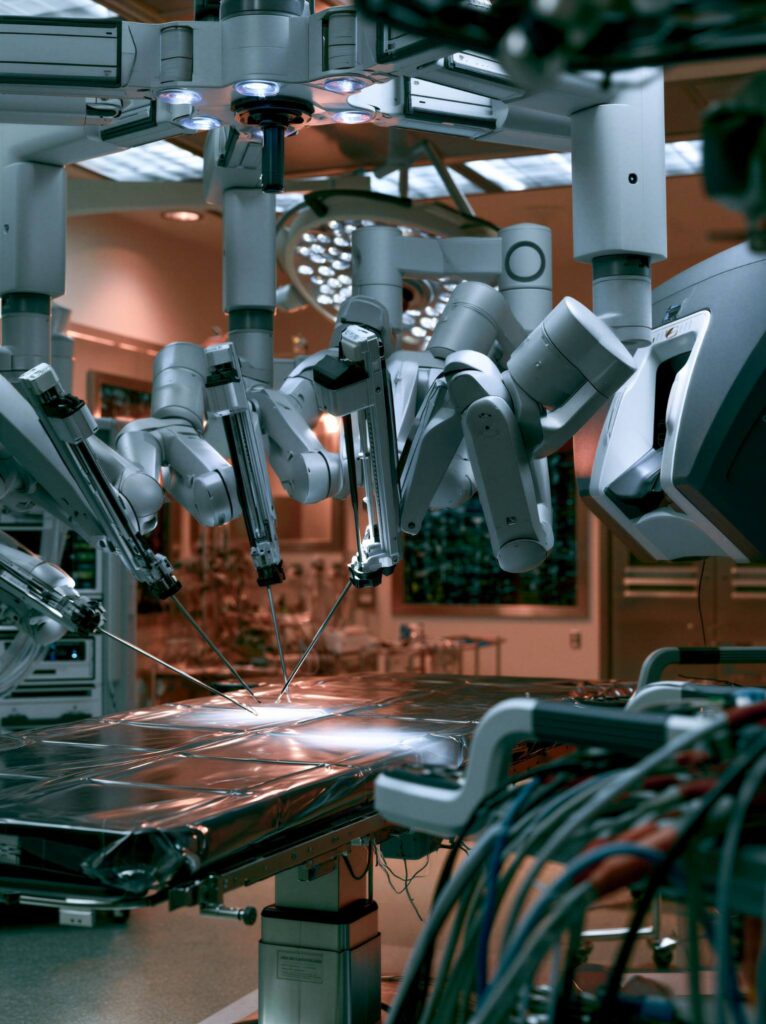
Technology is moving faster than infrastructure
Robotic systems are advancing rapidly. Clinical capability, training pathways and evidence are all evolving at pace.
Infrastructure is not.
Many NHS facilities were designed for a different era of care delivery. Theatre footprints, engineering capacity, storage, and clinical adjacencies often reflect assumptions that pre-date modern surgical technologies.
Guidance already recognises this gap. Modern surgical environments require more space, more flexibility and more complex servicing than legacy designs typically allow.
This creates a tension. The ambition to scale robotics exists, but the environments needed to support that ambition are not yet consistently in place.
It is tempting to view robotics as a procurement challenge. Select the right platform, build the business case, train the workforce.
In reality, it is a system challenge.
Robotics relies on:
If any one of these elements is constrained, the overall impact is reduced.
This is why estate should be seen as a central enabler, not a background consideration.
Without a coordinated approach to infrastructure, there is a real risk that robotics adoption becomes uneven.
Sites with modern, flexible estates will move faster. Others will face practical limitations, even where clinical demand and capability exist. Over time, this could widen variation in access to advanced care rather than reduce it.
For a system focused on equity as well as performance, that is a significant concern.
Even where the need for estate modernisation is clear, delivery is not straightforward.
Traditional capital programmes can be slow and disruptive. Refurbishment of live clinical environments adds complexity, particularly where services cannot be paused.
At the same time, the pressures driving robotics adoption, waiting lists, demand growth and workforce constraints, are immediate.
The system needs a way to deliver change at pace.
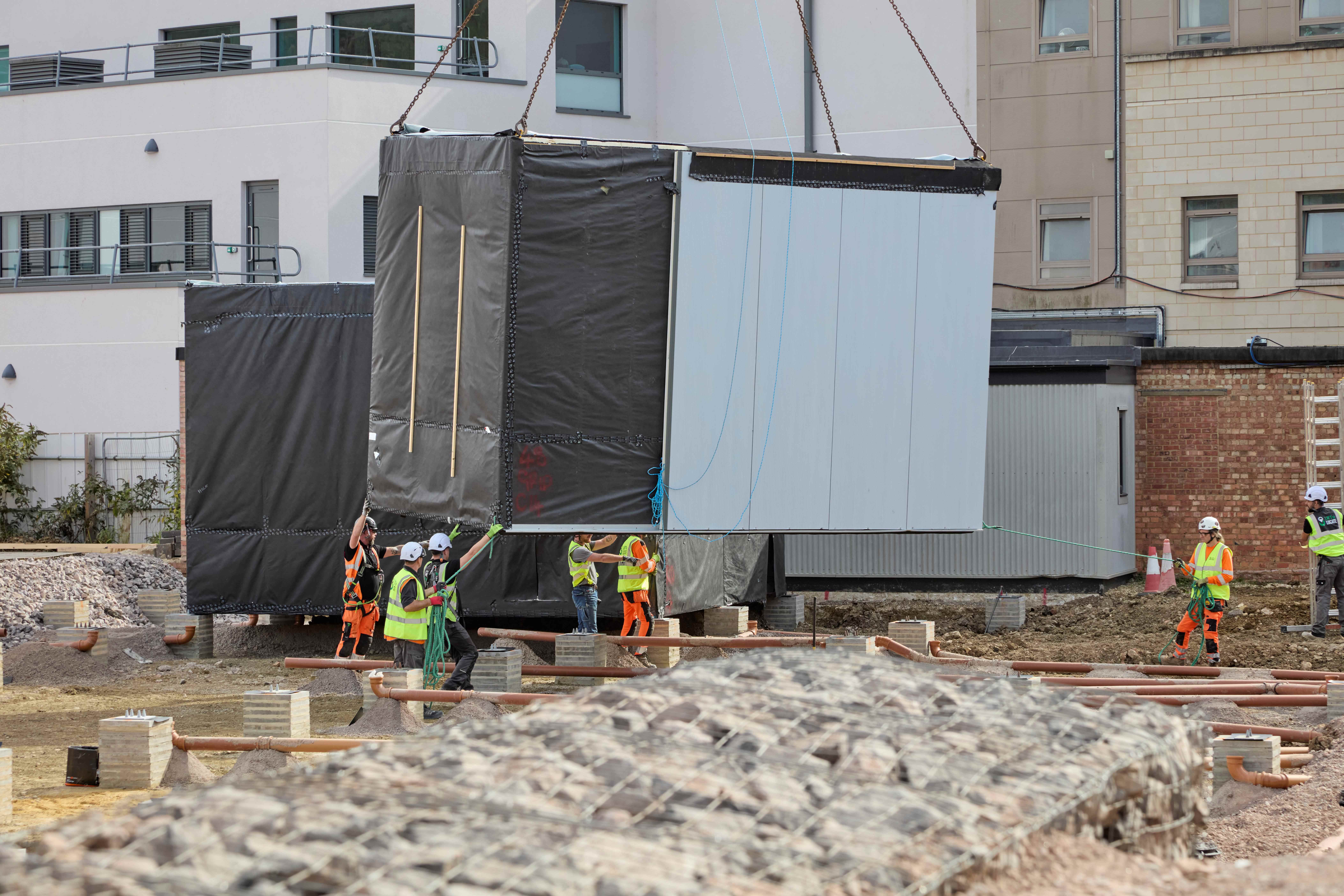
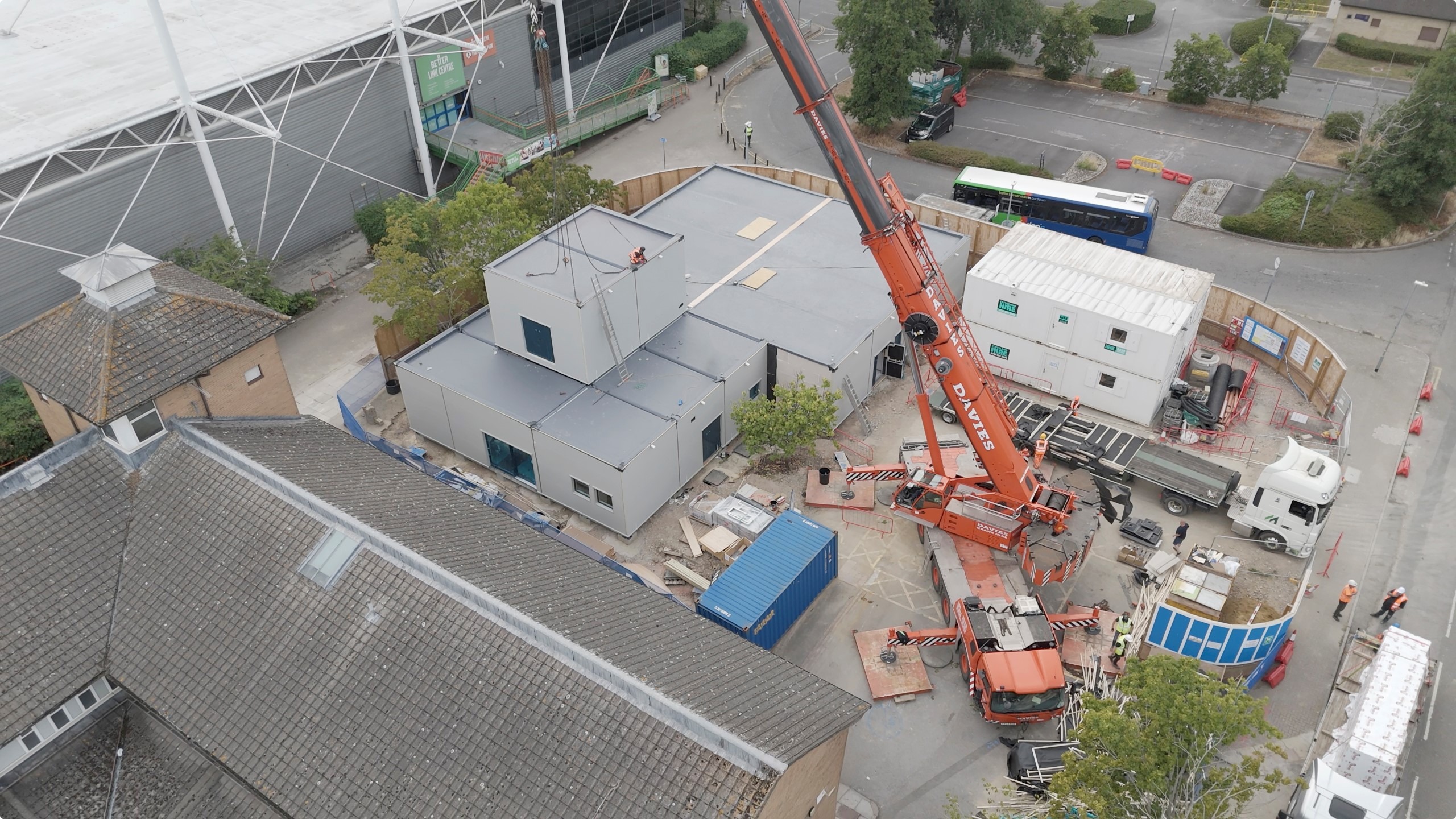
This is where Modern Methods of Construction begin to play a more strategic role.
Too often, MMC is framed simply as a faster way to build. In healthcare, its value is more nuanced.
It offers the ability to:
For robotics-ready facilities, where requirements are increasingly consistent, that combination is particularly relevant.
It creates the potential to deliver not just faster projects, but more consistent and repeatable solutions.
However, MMC is not a shortcut.
Its benefits depend on doing things differently from the outset:
Without this, the advantages are diluted.
The challenge is not just to adopt new construction methods, but to adopt new ways of planning and delivering infrastructure.
The NHS has set a clear direction for robotics.
Turning that direction into reality will depend on how effectively infrastructure, clinical strategy and delivery models are aligned.
That requires a shift in thinking.
The question is no longer “how do we introduce robotics?”
It is “how do we create environments where robotics can succeed?”
Those organisations that answer that question well will be best placed to realise the benefits of the next phase of healthcare transformation.
Download our insight paper to explore this topic further.

Vanguard Healthcare Solutions
Unit 1144 Regent Court, The Square, Gloucester Business Park, Gloucester, GL3 4AD

We have a different site (www.q-bital.com) which better suits your location