
Parece que estás en los Estados Unidos.
Tenemos un sitio diferente (www.q-bital.com) que se adapta mejor a su ubicación
Este cambio ofrece claras oportunidades. La robótica tiene el potencial de mejorar la precisión, reducir los tiempos de recuperación y aumentar la productividad en una amplia gama de procedimientos.
Pero existe una pregunta más fundamental que todavía no se plantea con la suficiente frecuencia.
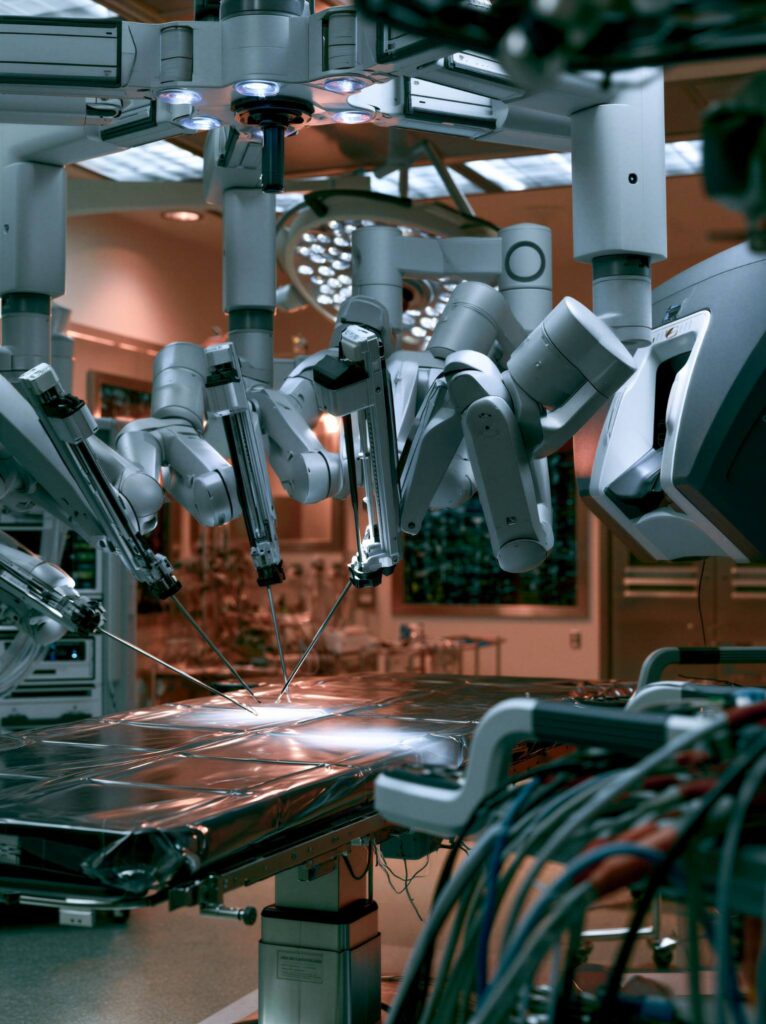
La tecnología avanza más rápido que la infraestructura.
Los sistemas robóticos están avanzando rápidamente. La capacidad clínica, los programas de formación y la evidencia científica evolucionan a un ritmo vertiginoso.
La infraestructura no lo es.
Muchas instalaciones del NHS (Servicio Nacional de Salud del Reino Unido) fueron diseñadas para una época diferente de prestación de atención médica. La distribución de los quirófanos, la capacidad de ingeniería, el almacenamiento y la proximidad de las áreas clínicas a menudo reflejan supuestos anteriores a las tecnologías quirúrgicas modernas.
Las directrices ya reconocen esta deficiencia. Los entornos quirúrgicos modernos requieren más espacio, más flexibilidad y un mantenimiento más complejo de lo que suelen permitir los diseños tradicionales.
Esto genera una tensión. Existe la ambición de expandir la robótica, pero los entornos necesarios para respaldar esa ambición aún no están establecidos de manera consistente.
Resulta tentador ver la robótica como un desafío de adquisiciones. Seleccionar la plataforma adecuada, elaborar el plan de negocio y capacitar al personal.
En realidad, se trata de un desafío sistémico.
La robótica se basa en:
Si se restringe alguno de estos elementos, el impacto general se reduce.
Por eso, la gestión inmobiliaria debe considerarse un factor clave, no una cuestión secundaria.
Sin un enfoque coordinado en materia de infraestructuras, existe un riesgo real de que la adopción de la robótica sea desigual.
Los centros con instalaciones modernas y flexibles avanzarán con mayor rapidez. Otros se enfrentarán a limitaciones prácticas, incluso donde exista demanda y capacidad clínica. Con el tiempo, esto podría aumentar la desigualdad en el acceso a la atención médica avanzada en lugar de reducirla.
Para un sistema centrado tanto en la equidad como en el rendimiento, esto supone una preocupación importante.
Incluso cuando la necesidad de modernizar el complejo residencial es evidente, su ejecución no es sencilla.
Los programas de inversión tradicionales pueden ser lentos y generar interrupciones. La renovación de entornos clínicos en funcionamiento añade complejidad, sobre todo cuando no es posible interrumpir los servicios.
Al mismo tiempo, las presiones que impulsan la adopción de la robótica, las listas de espera, el crecimiento de la demanda y las limitaciones de mano de obra son inmediatas.
El sistema necesita una forma de implementar cambios con rapidez.
Es aquí donde los métodos modernos de construcción comienzan a desempeñar un papel más estratégico.
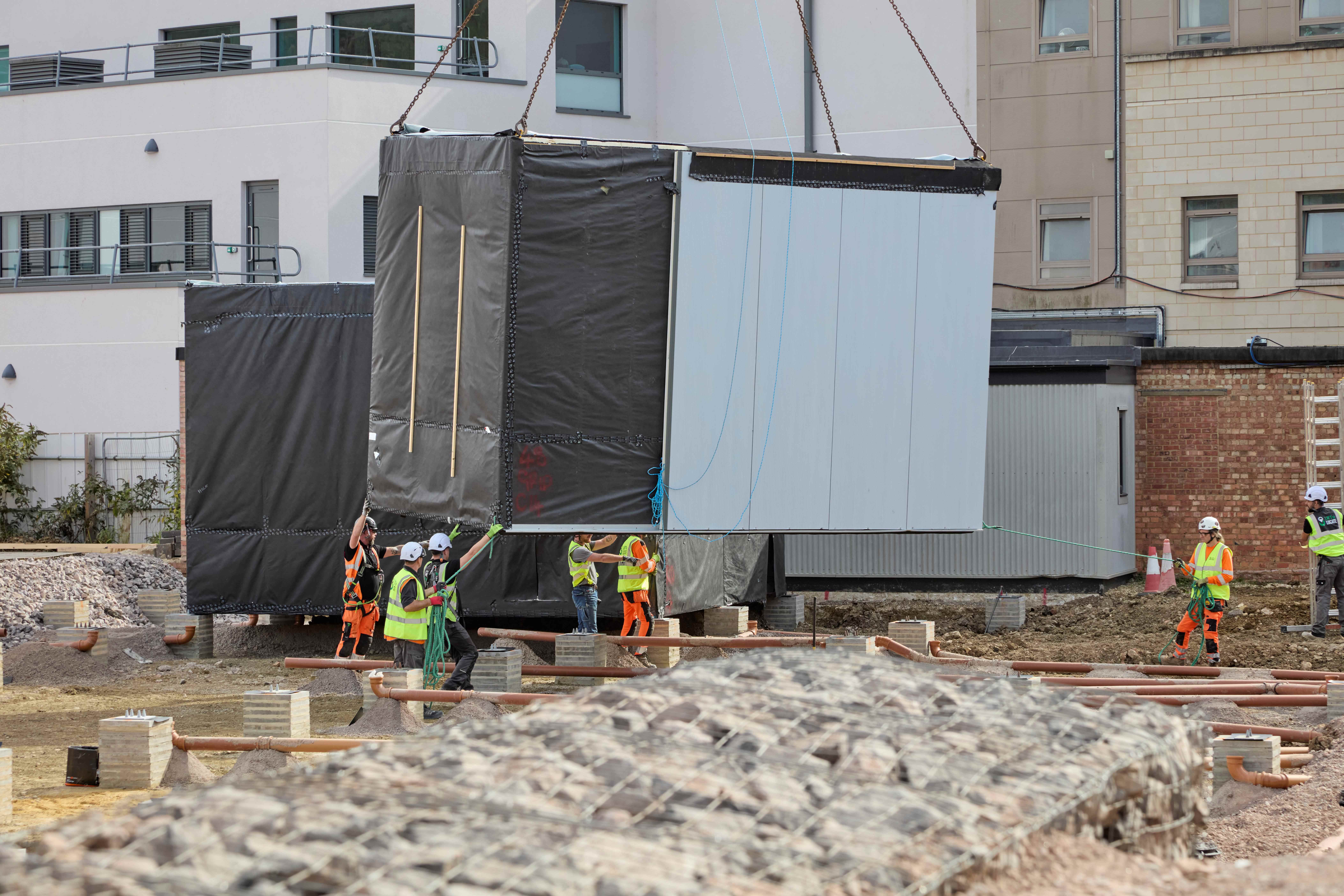
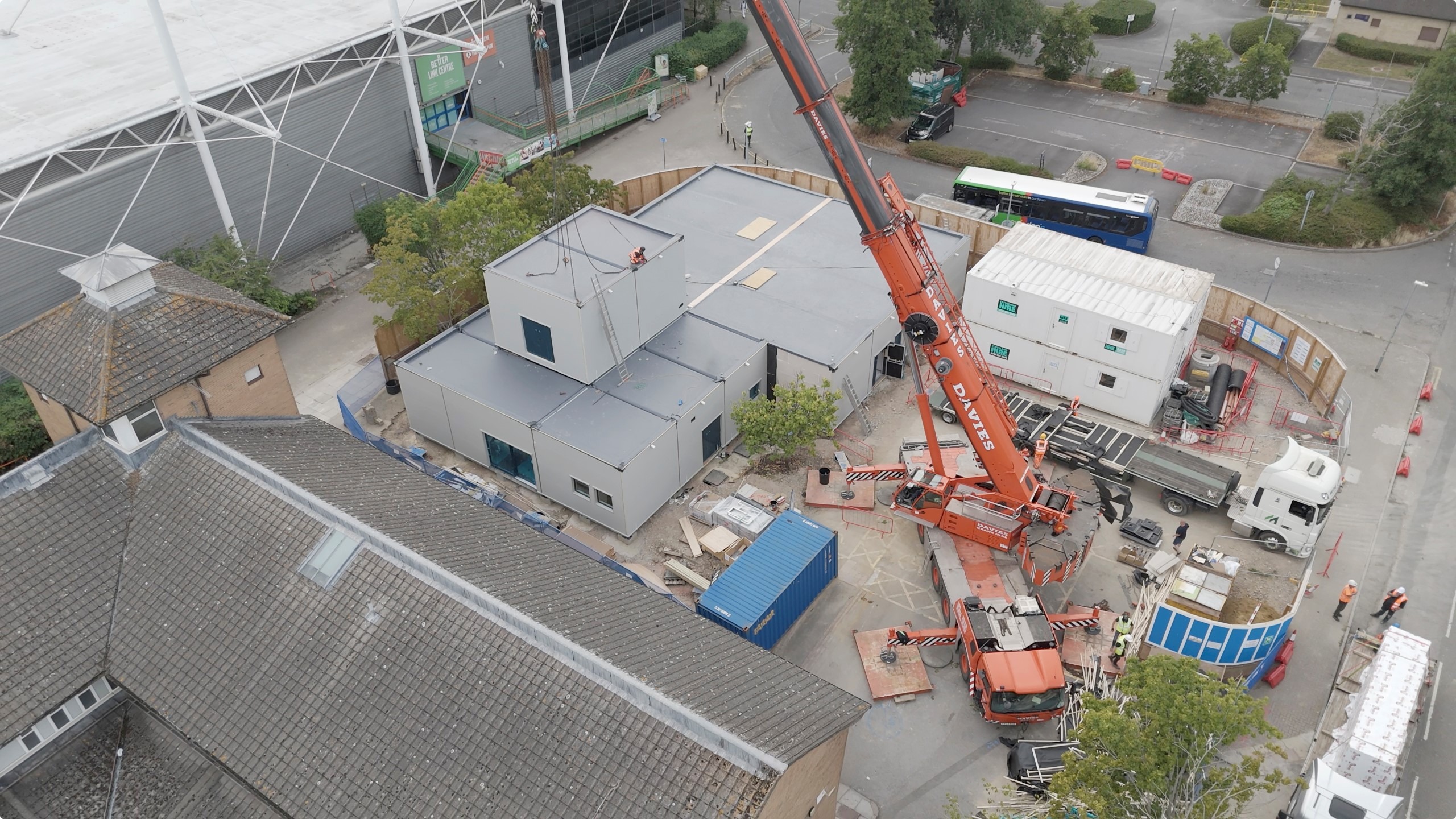
Con demasiada frecuencia, la construcción modular se presenta simplemente como una forma más rápida de construir. En el sector sanitario, su valor es más complejo.
Ofrece la posibilidad de:
Para las instalaciones preparadas para la robótica, donde los requisitos son cada vez más uniformes, esa combinación resulta especialmente relevante.
Esto crea el potencial para ofrecer no solo proyectos más rápidos, sino también soluciones más consistentes y repetibles.
Sin embargo, MMC no es un atajo.
Sus beneficios dependen de hacer las cosas de manera diferente desde el principio:
Sin esto, las ventajas se diluyen.
El reto no consiste solo en adoptar nuevos métodos de construcción, sino también en adoptar nuevas formas de planificar y ejecutar infraestructuras.
El NHS ha marcado una dirección clara para la robótica.
Convertir esa dirección en realidad dependerá de la eficacia con que se alineen la infraestructura, la estrategia clínica y los modelos de prestación de servicios.
Eso requiere un cambio de mentalidad.
La pregunta ya no es "¿cómo introducimos la robótica?".“
La pregunta es: "¿Cómo creamos entornos donde la robótica pueda tener éxito?"“
Aquellas organizaciones que respondan bien a esa pregunta estarán en mejor posición para aprovechar los beneficios de la próxima fase de la transformación de la atención médica.
Descarga nuestro informe para profundizar en este tema.
Soluciones para el cuidado de la salud Vanguard
Unidad 1144 Regent Court, The Square, Gloucester Business Park, Gloucester, GL3 4AD

Tenemos un sitio diferente (www.q-bital.com) que se adapta mejor a su ubicación