
It looks like you are in the United States
We have a different site (www.q-bital.com) which better suits your location
Healthcare capacity is often described through waiting lists, beds, theatres or scanners. These measures matter, but each reflects only one point in a patient’s journey. A person may need an outpatient consultation, a diagnostic test, a treatment decision, a procedure and follow-up. If one stage is constrained, additional capacity elsewhere may leave the main delay untouched.
Diagnostics make the challenge clear. In England, 1,915,300 people were waiting for one of 15 key diagnostic tests at the end of July 2026. Of these, 443,200 people, or 23.1 per cent, had waited six weeks or more. The NHS operational standard is that fewer than one per cent should wait this long. The collection recorded 2,719,900 tests in the same month. [1] These figures show both the scale of activity already being delivered and the gap that remains.
A test adds value when the right patients can access it, results reach clinicians promptly, and the next stage of care is available. A room or a scanner alone cannot achieve that. Referral management, clinical triage, reporting, staffing and onward treatment all affect how quickly a patient can move through the pathway.
The direction of travel makes this pathway view more important. England’s 10 Year Health Plan sets out shifts from hospital to community, analogue to digital and sickness to prevention. Its ambitions include neighbourhood health centres and moving most outpatient care outside hospitals by 2035, while restoring the constitutional standard for elective waits. [2] This is a plan for care to take place in more settings, with services connected around patients rather than organised around a single site.
Hospitals will remain essential for acute and complex care. Other consultations, diagnostics and follow-up may be delivered closer to home or digitally where this is clinically appropriate and accessible. Providers therefore need to understand what each service requires, where patients should receive it, and how the handovers between settings will work.
The 10 Year Capital Plan for Health and Social Care, published in July 2026, sets out a healthcare capital budget rising to £15 billion by 2029 to 2030. It includes long-term funding for estate maintenance and investment in neighbourhood health facilities. [3] The task for local leaders is to translate that investment into services that are operationally ready and aligned with their plans for care.
That means starting each capacity decision with a defined service need. Which stage of the pathway is constrained? What activity could be added or protected? What workforce, equipment, digital systems and commissioning arrangements are required? How will patients reach the service, and how will results or referrals move to the next provider? These questions help teams judge whether an estate project, a change to the pathway, additional sessions or a different clinical environment is likely to help.
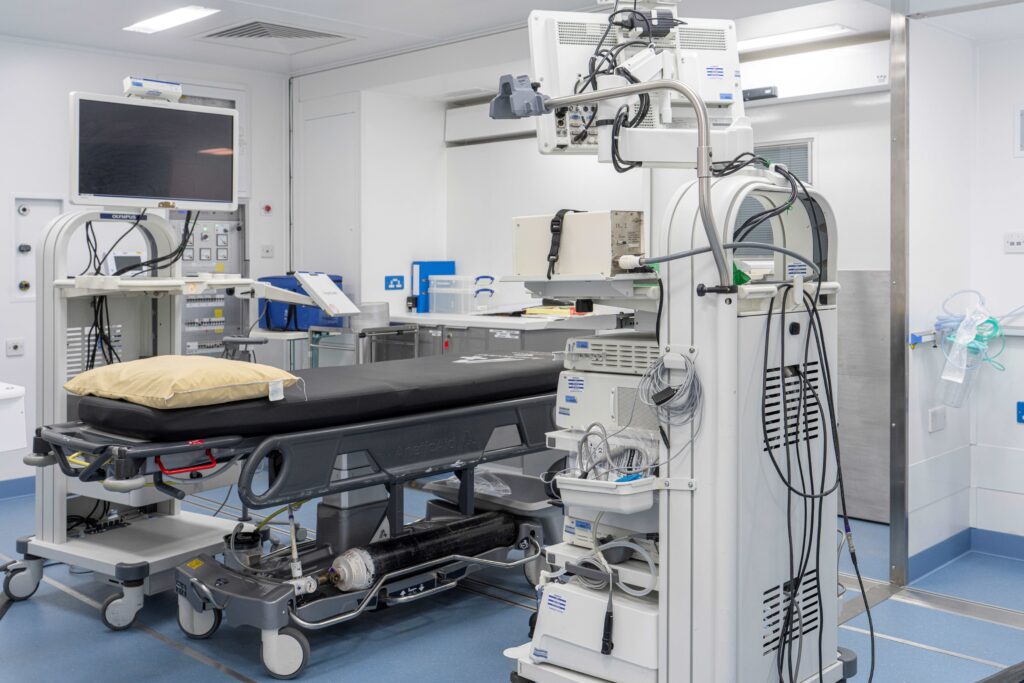
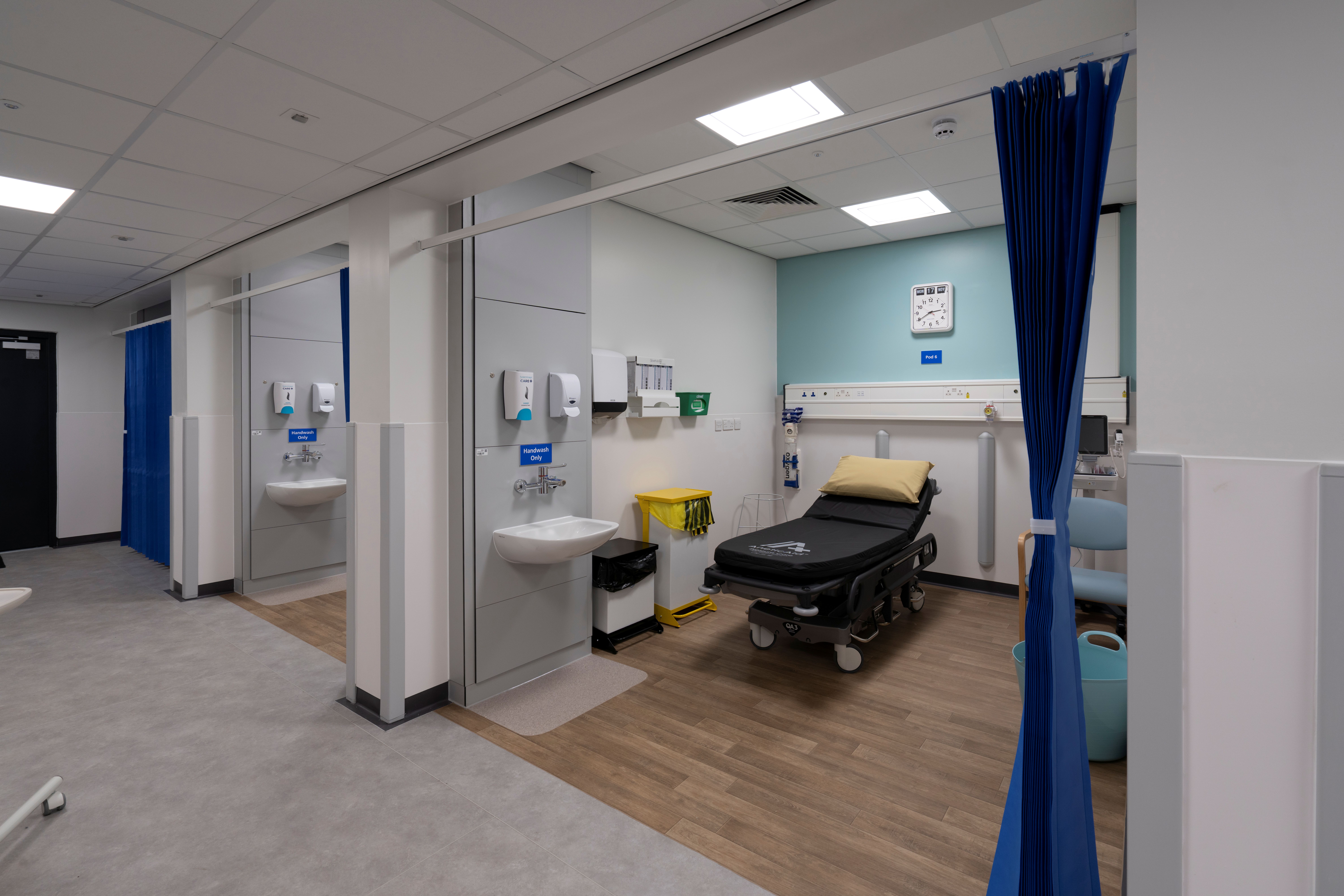
Flexible clinical infrastructure can be useful when it fits the service model. A mobile facility may help maintain activity while a hospital department is refurbished. A modular facility may support additional planned capacity or enable a service to operate in a different location. The right choice depends on the clinical need, local estate, staffing and how patients use the service. Infrastructure should be planned alongside those requirements.
At Vanguard, we provide mobile and modular clinical facilities for NHS and independent healthcare providers. We believe their value should be judged by the service they enable. Planning should consider operational readiness, continuity during estate work, the activity a facility is intended to support, and the experience of patients and staff. Those measures should be agreed at the outset and reviewed once the service is operating. Depending on the service, they could include additional consultations, tests or procedures, shorter delays between pathway stages, continuity during refurbishment, and feedback from patients and staff.
The most useful question about capacity is therefore: where does the patient wait, what change would help them move forward, and how will the provider know it has worked? When clinical, operational and estates teams answer that together, investment can support immediate service needs and adapt as models of care develop. That is how capacity can follow the patient.
Sources for editorial review
[1] NHS England, Diagnostic Waiting Times and Activity, July 2026. Published 10 September 2026.


Vanguard Healthcare Solutions
Unit 1144 Regent Court, The Square, Gloucester Business Park, Gloucester, GL3 4AD

We have a different site (www.q-bital.com) which better suits your location