
Det ser ut som att du är i USA
Vi har en annan sida (www.q-bital.com) som bättre passar din plats
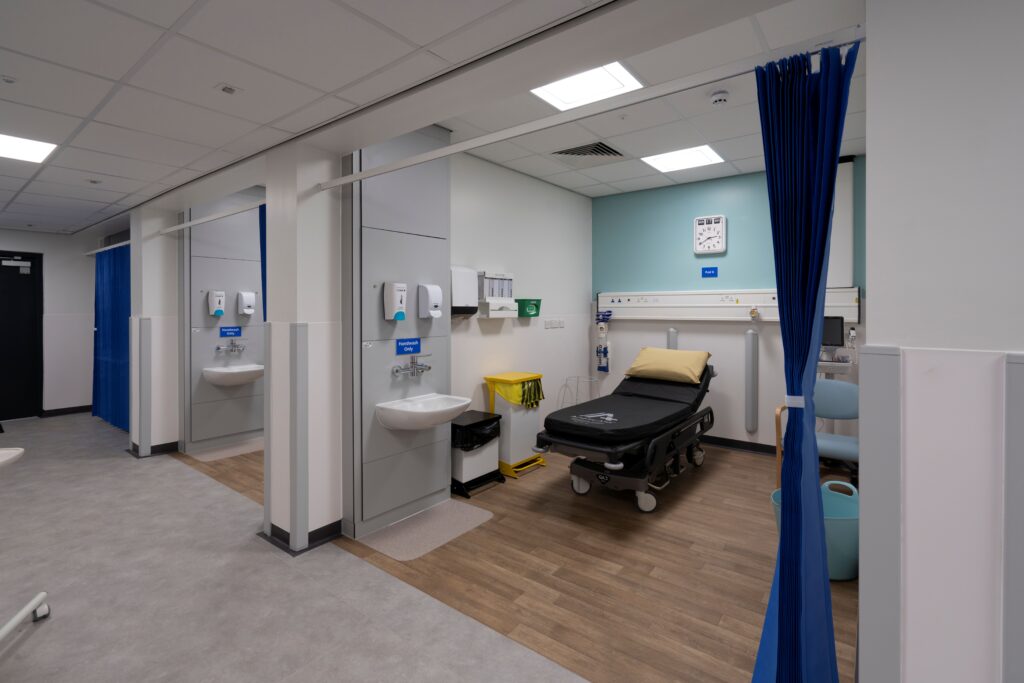
Community Diagnostic Centers (CDCs) were created to expand access to diagnostic tests outside acute hospitals. For women’s health, their next contribution is to make the route from symptoms to diagnosis and onward care easier to navigate.
A scan is valuable when it helps a clinician make a decision. It delivers more when the result is connected to the right clinical review and a clear next step. As CDCs mature, their success should be judged by how well they help complete or advance a pathway, as well as by the number of tests they provide.
Consider a woman referred with heavy bleeding or pelvic pain. She may first discuss her symptoms in primary care, attend another site for an ultrasound, return to discuss the result and then be referred to hospital. If time passes, a clinician may need to repeat the scan. Each appointment may be clinically appropriate, but a poorly connected service can add journeys and leave her unsure about what happens next.
The scale of the challenge is clear. The Renewed Women’s Health Strategy for England, published in April 2026, cited 565,000 women waiting for gynaecology care in January 2026 and reported that 57% of gynaecology referrals were seen within 18 weeks. These figures are a dated snapshot, but they show why the strategy places greater emphasis on community pathways and faster access.
The strategy calls for a single point of access for non-urgent gynaecology and women’s health referrals, so each woman can be directed to the most suitable setting. That may be a CDC, a neighbourhood health centre or a neighbourhood women’s health service. It also commits to redesigning common pathways, including heavy periods and menopause, and to testing financial models that make community delivery sustainable. This gives CDCs a defined role within a wider neighbourhood offer.
A CDC can help carry a pathway forward when it connects diagnostic tests with clinicians who can interpret the results and act on them. For some women, a community ultrasound appointment may sit alongside clinical assessment or a prompt specialist review. Others may need an onward referral or additional tests. A single-visit approach can be designed where it is clinically safe and appropriate. For women whose care needs several stages, shared plans and timely results can still make the journey more coherent.
Women should be able to understand who will explain a result, what decisions depend on it and how follow-up will be arranged. Clear referral routes between primary care, the CDC, women’s health services and hospital teams can reduce avoidable hand-offs and help the next appointment move care forward.
Clinical environments shaped around care closer to home works best when the environment is welcoming, private and accessible. Gynaecology consultations and ultrasound can be sensitive experiences. A well-designed setting should support dignity, consent, a chaperone where needed and a conversation that does not feel rushed. Transport links, convenient opening times, accessible information and facilities that meet different needs also affect whether women can use the service.
Planning should involve clinical staff, women and local communities from the outset. Women’s needs are not uniform. Age, disability, ethnicity, language, personal circumstances and previous experiences of care can all shape what makes a service accessible and trusted.
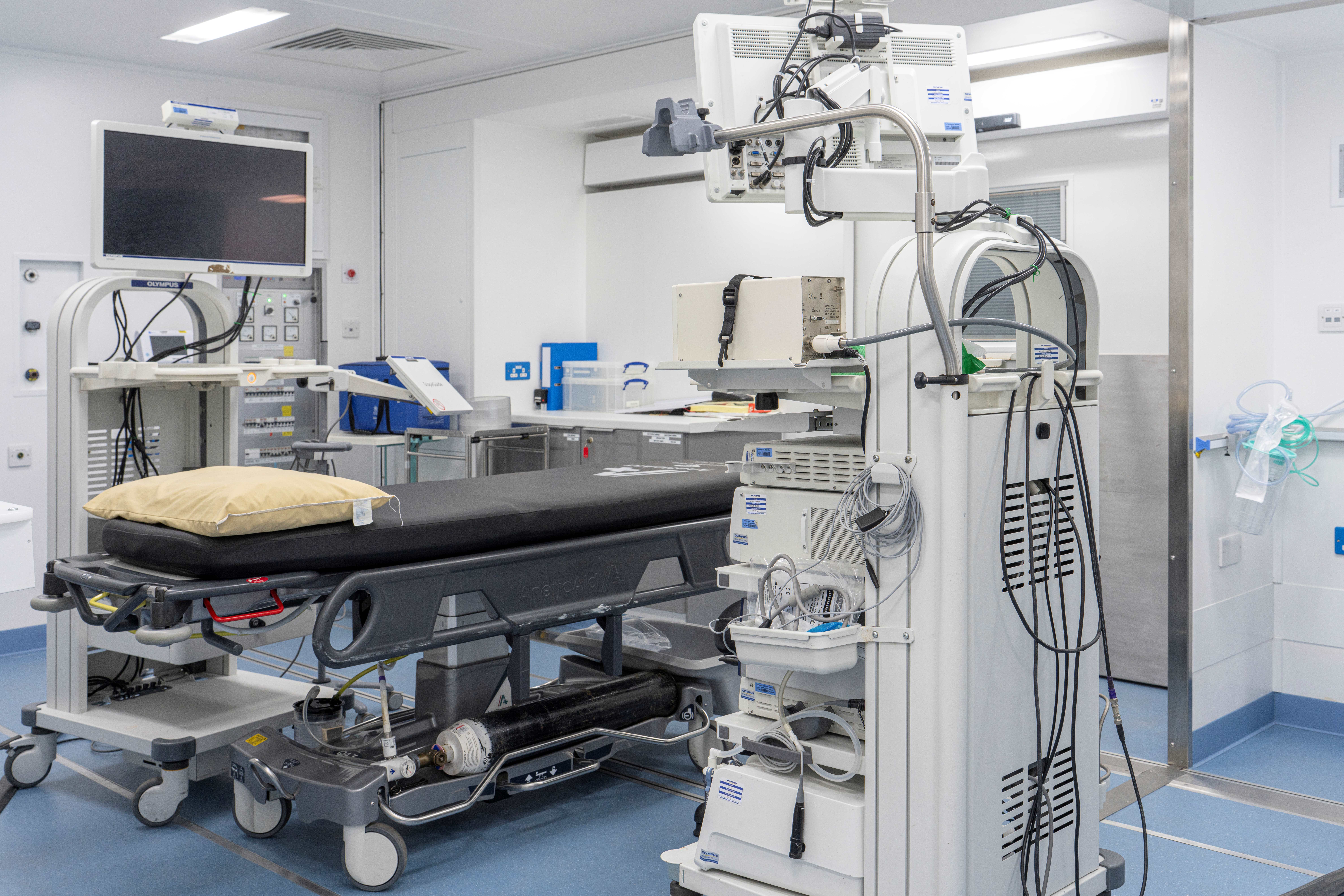
Bringing diagnostic capacity into a CDC may require appropriate ultrasound rooms, consultation space, digital systems and clear routes for sharing results. A purpose-built, adapted, mobile or modular facility may each suit a different local pathway. At Vanguard, we see flexible clinical environments as one way for systems to add capacity or adapt services as demand changes, particularly where conventional building work would take time or disrupt existing care.
The facility is only one part of the service. Workforce, referral criteria, clinical governance, digital records, result workflows and escalation arrangements between community and hospital teams need to be planned alongside the space. The care model should determine what is built, where it is placed and how it connects to the wider system.
Measures should reflect what women experience and what local services need to improve. Systems can track the time from referral to test and from result to a care decision, repeat imaging, the share of appropriate pathways managed in community settings, and women’s feedback about the service. Reviewing access and outcomes across different communities can also show where the model is working well and where it needs to change.
The renewed strategy includes plans for a public women’s health data dashboard and local improvement planning informed by outcomes and women’s experiences. CDC pathways can contribute useful evidence when data and feedback are built into the service from the start.
The next chapter for CDCs is an opportunity to make diagnostic access part of better connected women’s care. At Vanguard Healthcare Solutions, we believe adaptable clinical environments can help local systems put services within easier reach. The strongest results will come when facilities are planned with women, clinical teams, digital connections and the wider pathway in mind, so that every test leads to a clear and timely next step.

Vanguard Healthcare Solutions
Unit 1144 Regent Court, The Square, Gloucester Business Park, Gloucester, GL3 4AD

Vi har en annan sida (www.q-bital.com) som bättre passar din plats