
Es sieht so aus, als wären Sie in den Vereinigten Staaten
Wir haben eine andere Website (www.q-bital.com), die besser zu Ihrem Standort passt
Für Organisationen wie Vanguard Healthcare Solutions bestätigt diese Rede, was wir im gesamten System täglich beobachten. Notwendig sind nicht nur politische Änderungen, sondern praktische, umsetzbare Lösungen, die ambitionierte Ziele in unmittelbare Wirkung verwandeln.
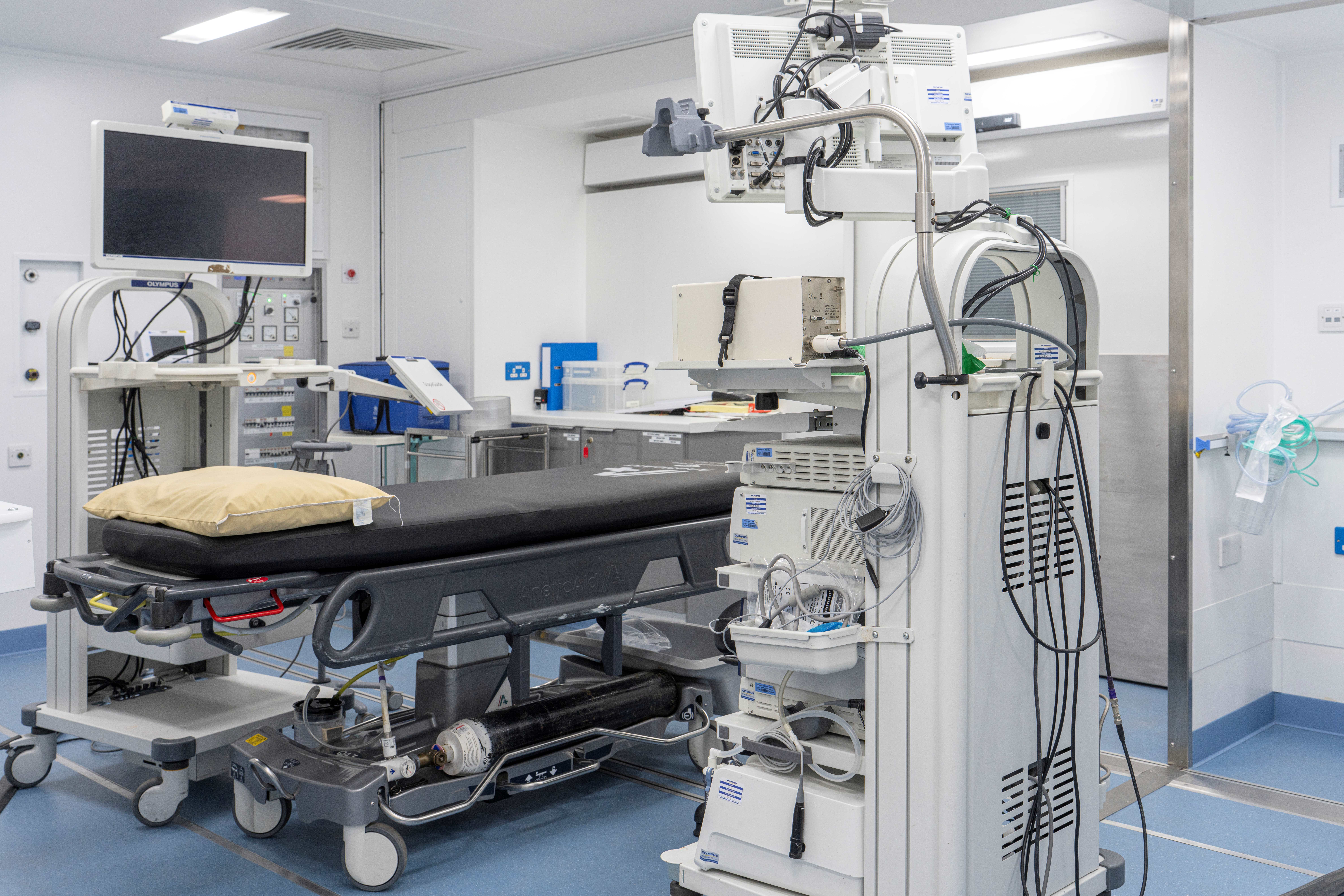
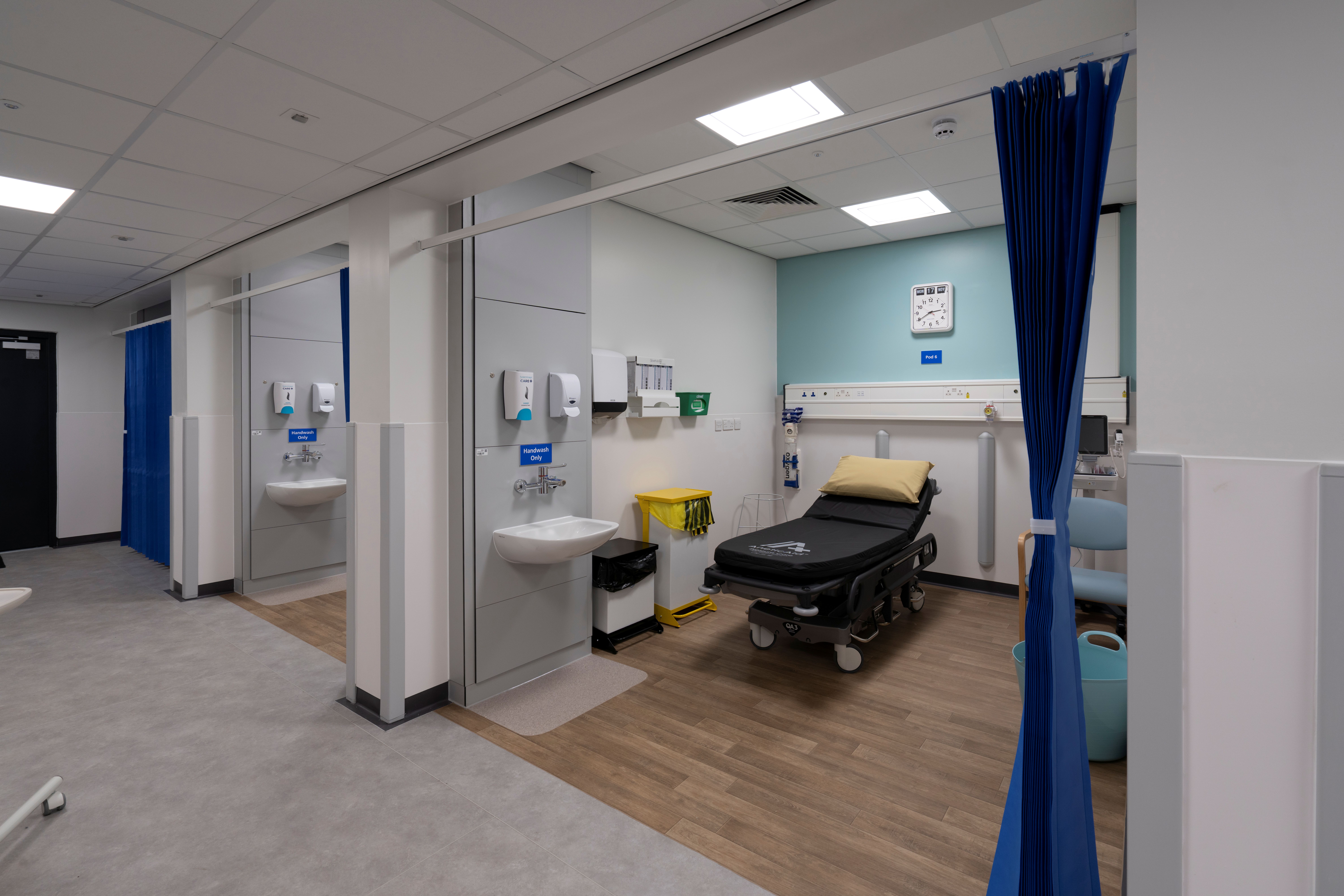
Ein zentrales Thema der Rede ist der Wandel von einer krankenhauszentrierten Versorgung hin zu einem dezentraleren, gemeindenahen Modell. Dies deckt sich weitgehend mit dem Ausbau von Gemeindediagnostikzentren und wohnortnahen Gesundheitsdiensten, die darauf abzielen, die Versorgung näher an die Patienten zu bringen und gleichzeitig die Akutkliniken zu entlasten. Der Erfolg dieses Wandels hängt jedoch maßgeblich von einer Infrastruktur ab, die zügig und ohne Beeinträchtigung der bestehenden Versorgung bereitgestellt werden kann.
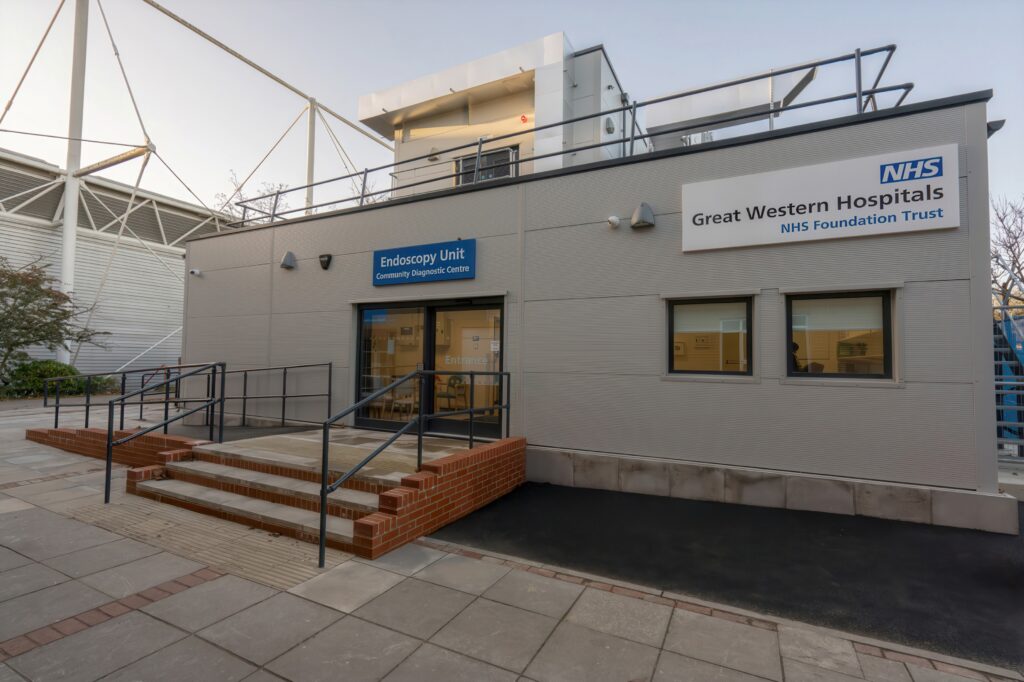
Hier spielt eine flexible Gesundheitsinfrastruktur eine entscheidende Rolle. Modulare und mobile Einrichtungen ermöglichen eine rasche Erweiterung der Diagnosekapazitäten und versetzen NHS-Organisationen in die Lage, den Bedarf zu decken, während permanente Liegenschaften entwickelt oder umgestaltet werden. Diagnostische Zentren in Modulbauweise können in einem Bruchteil der Zeit, die für herkömmliche Bauten benötigt wird, in Betrieb genommen werden und tragen so dazu bei, Wartelisten zu verkürzen und den Zugang zur Gesundheitsversorgung zu verbessern.
Gleichzeitig betonte der Gesundheitsminister die dringende Notwendigkeit, den Behandlungsrückstand bei planbaren Eingriffen abzubauen. Trotz erheblicher Fortschritte warten Millionen von Patienten weiterhin auf eine Behandlung. Der Ausbau der chirurgischen Kapazitäten bleibt eine der drängendsten Herausforderungen für den NHS.
Elektive Genesungsoperationen, einschließlich mobile und modulare Operationssäle, Sie bieten einen bewährten Weg zur Steigerung des Patientendurchsatzes. Durch die Schaffung von klar abgegrenzten OP-Kapazitäten ermöglichen diese Einrichtungen den Kliniken, die geplante Versorgung auch in Zeiten hoher Nachfrage oder bei Störungen im Klinikbetrieb aufrechtzuerhalten. Dies ist besonders wichtig, da Krankenhäuser dringend notwendige Sanierungs- und Instandhaltungsarbeiten durchführen, von denen viele nicht weiter aufgeschoben werden können.
Tatsächlich war der Zustand der NHS-Immobilien ein weiterer Schwerpunkt der Rede. Veraltete Infrastruktur, Instandhaltungsrückstände und der Bedarf an modernen, zweckmäßigen Räumlichkeiten sind hinlänglich bekannt. Die Bewältigung dieser Probleme erfordert nicht allein langfristige Investitionen, sondern sofortige, praktische Lösungen, die es den Kliniken ermöglichen, die Kontinuität der Patientenversorgung während der Modernisierungsmaßnahmen aufrechtzuerhalten.
Die Auslagerung von Einrichtungen, einschließlich temporärer Operationssäle, Stationen und ambulanter Einrichtungen, gewinnt in diesem Zusammenhang zunehmend an Bedeutung. Durch die Bereitstellung hochwertiger klinischer Umgebungen auf temporärer Basis ermöglichen sie die Durchführung notwendiger Sanierungsprogramme ohne Kapazitätseinbußen. So wird sichergestellt, dass die Patientenversorgung nicht beeinträchtigt wird, während die Einrichtungen auf moderne Standards gebracht werden.
Die Rede ging auch auf die Bedeutung der Verbesserung der Geburtshilfe ein, nachdem nationale Überprüfungen erhebliche Herausforderungen in der Infrastruktur und der Leistungserbringung aufgezeigt hatten. Sichere, moderne und barrierefreie Geburtskliniken sind unerlässlich, um die Versorgung von Müttern und Babys zu verbessern.
Modulare Entbindungseinrichtungen, einschließlich Kreißsäle und Geburtszentren, bieten einen flexiblen Ansatz zur Bewältigung dieser Herausforderungen. Sie können schnell eingesetzt werden, um veraltete Einrichtungen zu ersetzen oder zusätzliche Kapazitäten bereitzustellen und so sicherzustellen, dass die Leistungen sicher, vorschriftsgemäß und bedarfsgerecht sind.
Aus den Äußerungen des Gesundheitsministers geht klar hervor, dass sich der NHS keine langen Entwicklungszyklen oder komplexe Investitionsprogramme leisten kann, um Veränderungen herbeizuführen. Angesichts des Ausmaßes der Herausforderung sind sowohl sofortige als auch nachhaltige Lösungen erforderlich.
Wir bei Vanguard Healthcare Solutions sehen unsere Rolle darin, diese Leistungserbringung zu ermöglichen. Durch die Bereitstellung flexibler Infrastruktur, die schnell implementiert und nahtlos in bestehende Dienste integriert werden kann, unterstützen wir NHS-Organisationen dabei, auf die aktuellen Herausforderungen zu reagieren und gleichzeitig für die Zukunft zu planen.
Die in der Rede skizzierte Richtung ist sowohl ambitioniert als auch notwendig. Ihr Erfolg hängt jedoch davon ab, ob das System zügig handeln und die Kluft zwischen Politik und Praxis überbrücken kann. Eine flexible Gesundheitsinfrastruktur ersetzt keine langfristigen Investitionen, ist aber eine unerlässliche Voraussetzung für den Wandel.
Während der NHS seine Reformagenda vorantreibt, ist die Zusammenarbeit zwischen politischen Entscheidungsträgern, Leistungserbringern und Umsetzungspartnern von entscheidender Bedeutung. Durch gemeinsames Handeln können wir sicherstellen, dass die in der Rede skizzierte Vision zu konkreten Verbesserungen in der Patientenversorgung führt.
Die Herausforderung ist groß, aber auch die Chance. Mit dem richtigen Ansatz und den richtigen Partnern kann der NHS eine widerstandsfähigere, zugänglichere und patientenorientiertere Zukunft gestalten.

Vanguard Healthcare-Lösungen
Einheit 1144 Regent Court, The Square, Gloucester Business Park, Gloucester, GL3 4AD

Wir haben eine andere Website (www.q-bital.com), die besser zu Ihrem Standort passt